
 (317) 777-4101
Building a new home in Indianapolis is an exciting milestone, but new construction doesn’t automatically mean every component is installed correctly. Even a beautifully finished property can have issues that are difficult to recognize during a standard walkthrough.
Understanding the difference between a pre-drywall inspection and a final home inspection can help you make informed decisions before construction is completed.
These inspections evaluate different stages of the building process. A pre-drywall inspection examines accessible structural components and mechanical rough-ins before they’re concealed. A final home inspection focuses on the completed property’s visible systems and features.
For Indianapolis homebuyers, knowing when to schedule each inspection can make the construction process easier to navigate.
Understanding Pre-Drywall and Final Home Inspections
New construction inspections aren’t limited to the period immediately before closing. Different construction stages provide opportunities to observe components that may become inaccessible as work progresses.
What Is a Pre-Drywall Inspection?
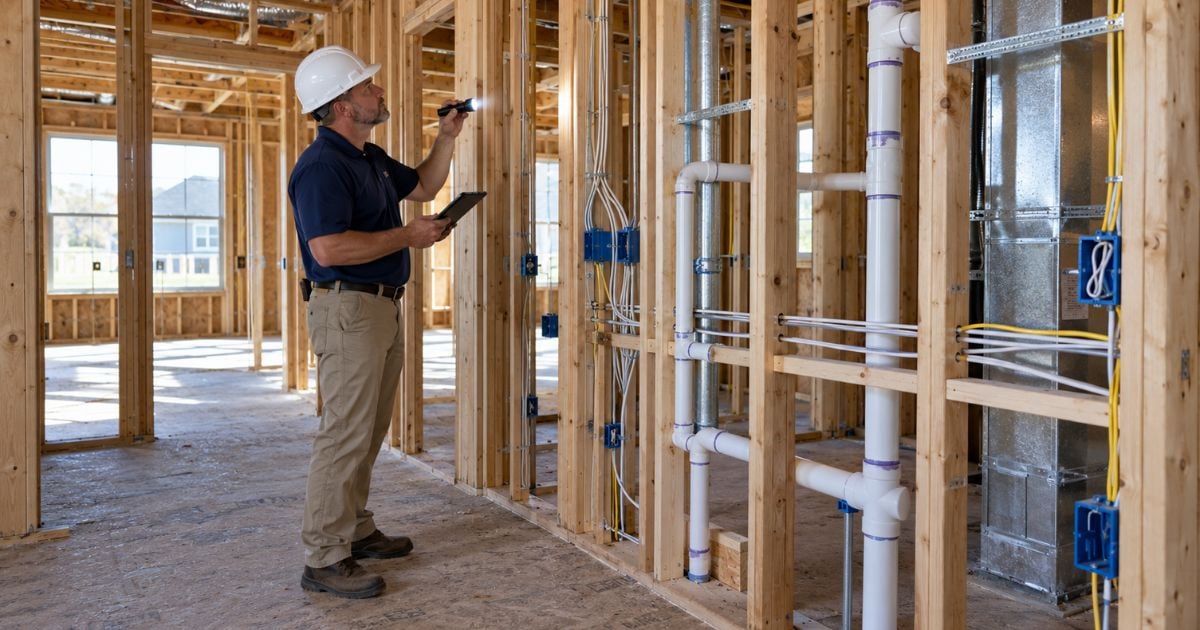
A pre-drywall inspection generally takes place after structural framing and major plumbing, electrical, and HVAC rough-ins are installed but before insulation and drywall conceal them.
According to the American Society of Home Inspectors’ pre-drywall standards, this inspection provides information about observable components during construction.
Inspectors may examine accessible framing, wiring routes, plumbing connections, and other installed elements.
The objective is to document visible conditions while the building’s internal systems remain exposed.
What Is a Final Home Inspection?
A final home inspection occurs when construction is substantially complete and installed systems are ready for evaluation.
Unlike the pre-drywall stage, this inspection focuses on finished components, including roofing, exterior features, electrical equipment, plumbing fixtures, HVAC systems, and interior conditions.
It provides buyers with information about the home’s observable condition before closing.
Neither inspection guarantees that every construction defect will be discovered.
Pre-Drywall Inspection vs. Final Home Inspection: Key Differences
Although both inspections evaluate a newly constructed property, their timing, visibility, and primary focus differ.
|
Feature |
Pre-Drywall Inspection |
Final Home Inspection |
|
Timing |
Before insulation and drywall |
When construction is substantially complete |
|
Structural components |
Exposed framing and connections |
Accessible finished structural areas |
|
Electrical systems |
Visible rough-in wiring and boxes |
Installed outlets, panels, and fixtures |
|
Plumbing systems |
Exposed supply and drain piping |
Fixtures and accessible plumbing |
|
HVAC systems |
Visible ductwork and rough-ins |
Installed heating and cooling equipment |
|
Main limitation |
Some systems are unfinished |
Many components are concealed |
The most important difference is accessibility.
During the pre-drywall stage, inspectors can observe portions of the building that may eventually be hidden behind walls and ceilings. Final inspections provide opportunities to evaluate completed equipment and finished features that weren’t ready earlier.
What Does a Pre-Drywall Inspection Cover?
A pre-drywall inspection focuses on construction components before interior finishes restrict access.
Indyspect LLC offers dedicated pre-drywall inspections in Indianapolis, including evaluations of structural elements, framing, mechanical systems, and exterior conditions.
Framing and Structural Components
Inspectors examine accessible wall framing, floor systems, structural connections, and other visible construction elements.
Observations may identify damaged framing members, unusual modifications, missing visible connections, or concerns requiring further evaluation.
However, a visual inspection cannot establish the adequacy of every concealed connection or replace structural engineering analysis.
Electrical Wiring and Rough-Ins
Before drywall installation, electrical cables, outlet boxes, and wiring routes may remain visible.
Inspectors can observe accessible installation conditions and document apparent concerns involving wiring support, placement, or protection.
These observations don’t guarantee that completed electrical circuits will operate correctly once the home is finished.
Plumbing and HVAC Installations
Exposed plumbing lines and HVAC components provide additional inspection opportunities.
Visible supply piping, drainage connections, ductwork, and mechanical rough-ins may be examined before they’re concealed.
Potential concerns can be documented for further review by appropriate construction professionals.
The inspection remains limited to accessible conditions and doesn’t automatically include specialized system testing.
What Does a Final Home Inspection Cover?
Once construction is substantially complete, inspectors evaluate the finished home’s accessible systems and features.
Indyspect LLC’s new construction inspection services include assessments of structural, electrical, and plumbing systems, with documented findings and recommendations.
Roofing, Exterior, and Drainage
Inspectors review accessible roofing materials, siding, windows, exterior doors, foundation areas, and drainage-related conditions.
Water management is particularly relevant for Indianapolis homeowners because improper surface drainage can contribute to foundation moisture concerns.
Roof observations depend on accessibility, weather, and safety conditions.
Electrical, Plumbing, and HVAC Systems
A final inspection provides opportunities to evaluate installed electrical components, plumbing fixtures, water-heating equipment, and accessible heating and cooling systems.
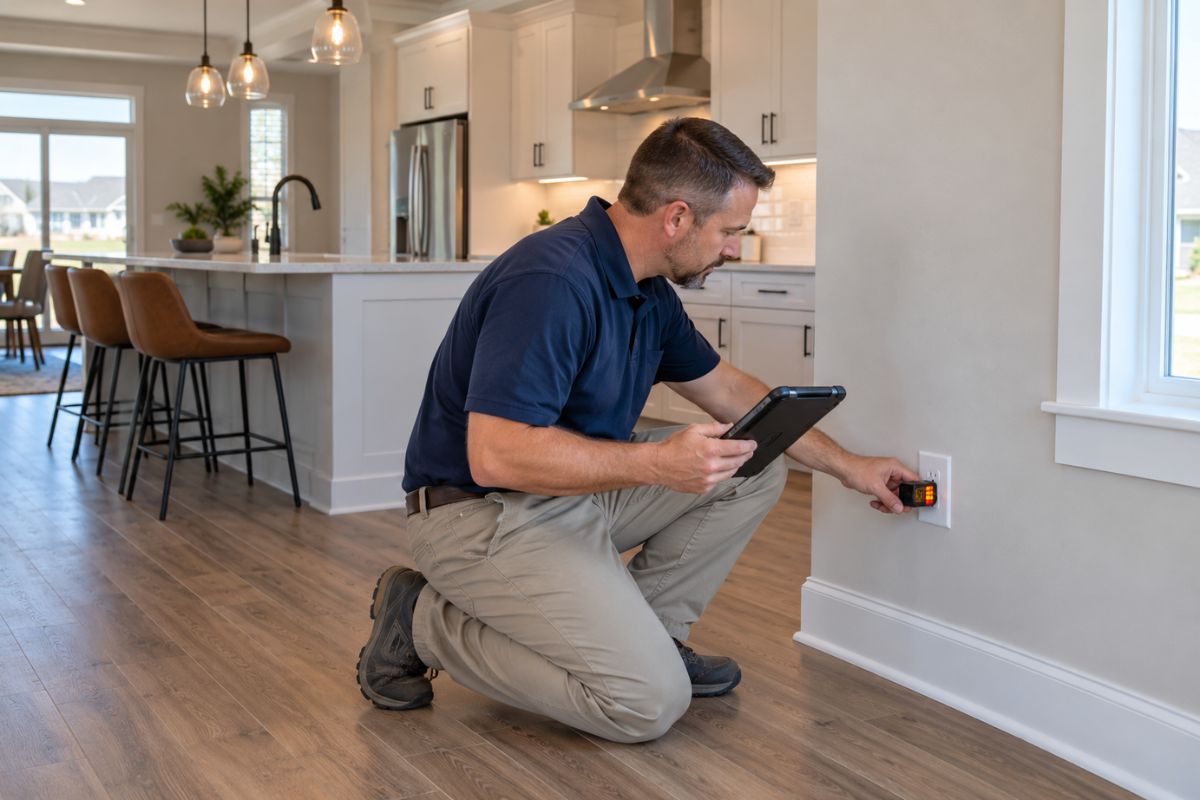
Inspectors may check normal operation where appropriate and document observable problems.
Some evaluations may be limited by weather, operating conditions, incomplete installations, or equipment restrictions.
Interior Finishes and Safety Features
Completed homes can also be examined for concerns involving doors, windows, stairs, railings, interior surfaces, and accessible safety devices.
Inspectors may document damaged finishes, malfunctioning components, moisture evidence, or other visible deficiencies.
The purpose is to provide useful information about the property’s condition rather than certify that every component is defect-free.
Why Indianapolis Homebuyers Should Consider Both Inspections
Pre-drywall and final home inspections serve complementary purposes.
A pre-drywall inspection can document visible framing or rough-in concerns before those components become inaccessible. A final inspection can identify problems involving equipment, fixtures, and finishes after installation.
For example, an inspector might observe a questionable plumbing rough-in during construction. Later, a final inspection might reveal that an installed fixture doesn’t operate as expected.
These are different observations requiring evaluation at different stages.
Together, the inspections can provide buyers with a broader understanding of the home’s condition throughout construction.
They also give homeowners documentation they can discuss with the builder, although the inspector doesn’t determine contractual repair obligations.
When Should You Schedule Each Inspection?
Timing matters because construction progress changes which components are visible and ready for evaluation.
For Indianapolis homebuyers, coordinating inspection appointments with the builder can help ensure the property is accessible at the appropriate construction stages.
Scheduling a Pre-Drywall Inspection
Schedule the inspection after framing and relevant mechanical, electrical, and plumbing rough-ins are installed, but before insulation and drywall conceal them.
Confirm construction progress and site access with the builder before booking.
Scheduling too early may leave important components incomplete, while scheduling too late may prevent their examination.
Scheduling a Final Home Inspection
Arrange the final inspection when major construction work is substantially complete and systems are ready for appropriate evaluation.
Scheduling before closing can allow buyers time to review findings and communicate concerns.
The exact appointment should account for construction progress, builder access, and applicable purchase deadlines.
Are Municipal Inspections the Same as Independent Home Inspections?
No. Municipal building inspections and independent home inspections serve different purposes.
Municipal inspections address applicable building requirements within the permitting and approval process.
Independent home inspections focus on observable property conditions and provide findings for the client.
The American Society of Home Inspectors’ Standards of Practice describe residential inspections as evaluations of readily accessible, visually observable, installed systems and components.
A private home inspection shouldn’t be represented as a substitute for government approvals or a guarantee of complete code compliance.
Both forms of inspection can play useful but distinct roles during construction.
How to Prepare for Your New Construction Inspection
Preparing for an inspection generally involves coordinating access and confirming the scope of work.
Before your appointment, consider these practical steps:
-
Confirm the current construction stage with your builder.
-
Ensure the inspector has permission to access the property.
-
Identify any previously documented construction concerns.
-
Confirm which systems and services will be included.
-
Allow sufficient time to review inspection findings.
Avoid entering restricted construction areas or operating unfinished electrical and mechanical systems without authorization.
If you’ve already received an earlier inspection report, keep it available for reference.
Good preparation helps the appointment proceed smoothly, although it cannot eliminate every inspection limitation.
Schedule Your New Construction Inspection With Indyspect LLC
Understanding the differences between pre-drywall and final home inspections can help you plan evaluations around important construction milestones.
Pre-drywall inspections focus on accessible structural components and rough-in systems, while final inspections examine completed features and installed equipment.
Indyspect LLC provides pre-drywall and new construction inspections throughout Indianapolis and surrounding communities, helping buyers better understand their properties through documented findings.
Whether your new home is approaching drywall installation or nearing completion, choosing the appropriate inspection stage can help you make more informed decisions.
Ready to schedule? Contact Indyspect LLC to discuss your construction timeline and inspection needs.
Frequently Asked Questions
Is a Pre-Drywall Inspection Necessary for a Newly Built Home?
A pre-drywall inspection can be valuable because it provides an opportunity to examine accessible framing and rough-in systems before they’re concealed. Whether to schedule one depends on construction progress, access, and your inspection needs.
Can a Final Home Inspection Identify Hidden Defects?
A final inspection may reveal visible symptoms of concealed problems, such as moisture staining or malfunctioning fixtures. However, inspectors generally cannot directly evaluate components hidden behind completed walls without additional investigative procedures.
Does a Pre-Drywall Inspection Replace a Final Home Inspection?
No. A pre-drywall inspection examines accessible construction components before interior finishes are installed, while a final inspection evaluates completed systems and features. Both provide different information about the property.
Should Homebuyers Attend Both Inspections?
Attending can help buyers understand findings and ask questions. However, construction-site access should be coordinated with the builder and inspector, and all safety restrictions must be followed.
Can a Home Inspector Require a Builder to Fix Problems?
No. A private home inspector documents observations and may recommend further evaluation or repairs. Responsibility for corrective work depends on applicable agreements, requirements, and the parties involved.